
Most 3D models of real spaces are a mesh: a surface of tiny triangles with photos wrapped over it. Great for measuring. But glass, shiny floors, plants and fine edges often come out soft or warped.
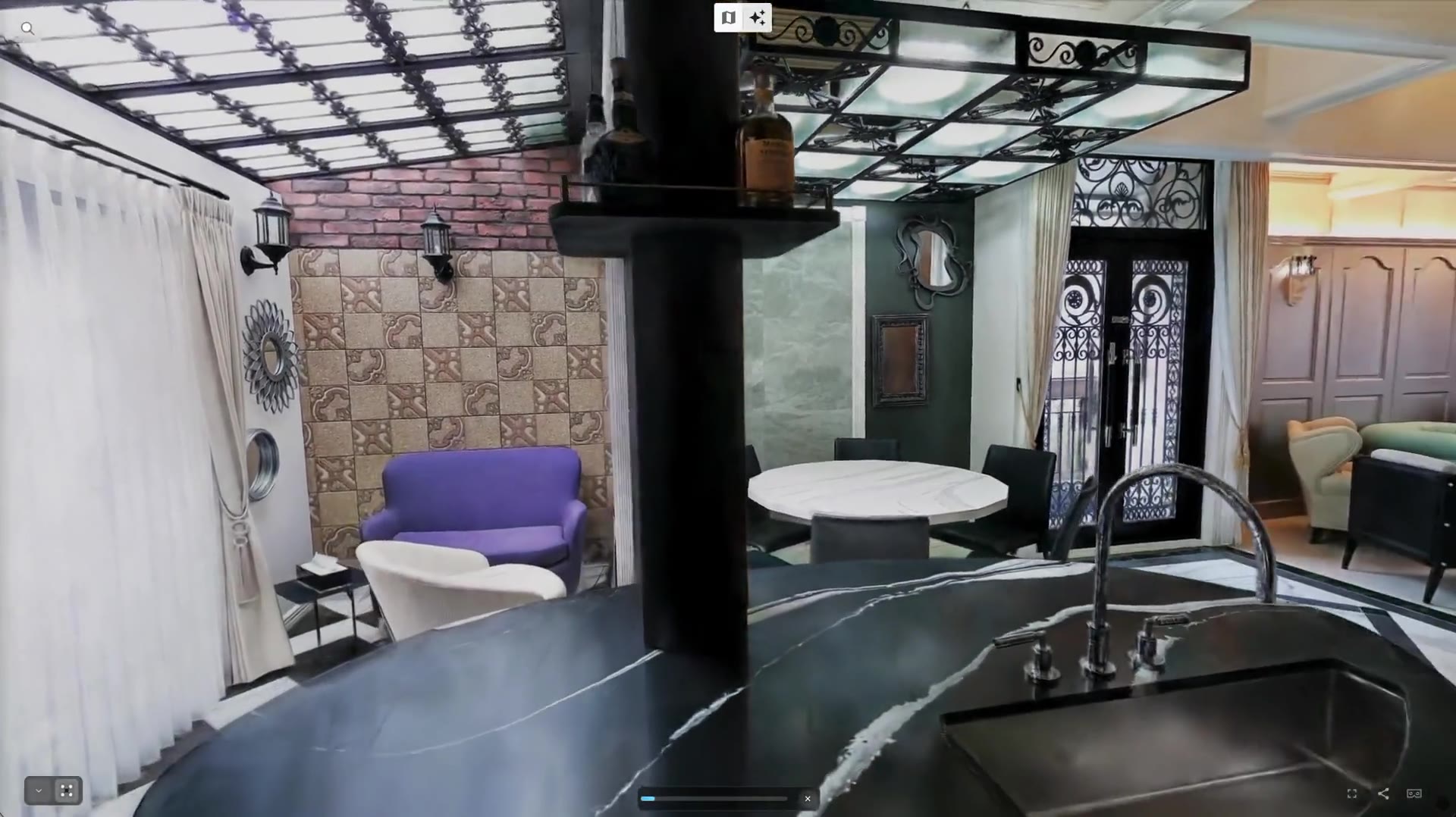
A Gaussian splat works differently. Instead of a surface, the space is built from millions of tiny, soft, see-through dots of color, each placed and shaded from photos or video taken on site. Together they rebuild what the camera saw, reflections and all, and you can move through it freely.
The technique comes from research published in 2023, and it moved fast. Today there are handheld cameras built for it and free tools to clean up the results. A splat can open in a web browser, phones included, once the file is trimmed and compressed.
Where it fits: lobbies, restaurants, homes and showrooms, anywhere the look sells the space. Where it doesn't, yet: measured drawings. For CAD and as-built work, a LiDAR scan is still the better tool.
We're adding the XGRIDS PortalCam to our kit: Gaussian splats, plus a point cloud and mesh. Coming soon. Have a space that should look its best in 3D? Tell us about it.